Blog
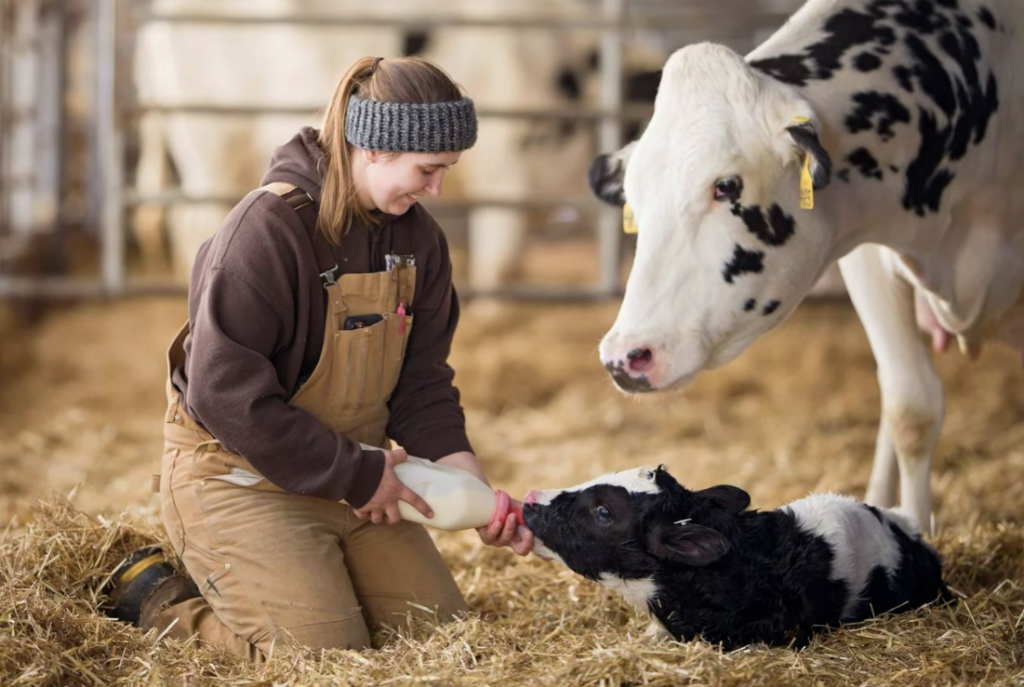
A dairy calf is just like a child, so it needs care and attention no less than an ordinary baby. On a farm with calves, the most comfortable and convenient conditions should be created for them to feel warm, cozy and safe. This is important not only for the animals themselves, but also for the entire farm.
Calves that grow up in warmth and do not freeze stay healthy and become more productive. During their growth, the foundation for their entire life is laid, which is why it is so important to provide comfortable conditions and take care of them.
Dairy farm owners need to know in detail how to care for small calves in winter and follow these rules. It will also be useful to know about the habits of healthy calves, which you can also find on our website. In general, to learn something new and find answers to your farming questions, you should register on the PanTerrea platform. Everyone gathers here - farmers, suppliers, corporate representatives, and more.
What features of dairy calves farmers should keep in mind
When dairy calves arrive on the farm, workers need to understand that they do not have a large supply of fat, which is necessary for animals to feel comfortable in the cold during the winter. In small calves, fat makes up only 2-3% of their total body weight. This is very little, so they will not be able to keep warm on their own - they simply do not have enough energy, which the body takes from fat on cold days.
When the temperature drops outside, calves need to get more nutrients to keep their bodies functioning and warm. If the calf is cold, you can't even hope that it will grow and develop well, because its body will not have the energy to do so, because it will be used simply to maintain life. As a result, the immune system will not work as it should, which means that calves will get sick and will not be able to develop properly. That is why it is so important that they grow up in warmth and comfort.
It's also worth remembering that calves sense ambient temperature somewhat differently than humans, so they start to freeze earlier. For example, calves under three weeks old start spending more energy to stay warm when the air temperature is below 15°C. And those who are over three weeks old need additional energy to stay warm at 6°C and below.
If babies are in windy and humid conditions, they also need extra energy to maintain their body temperature and stay warm. This means that their internal resources will be consumed, so the need for nutrients that they receive through their diet will also increase. Farmers should prepare for this in advance so that this situation does not come as a surprise. In general, it is necessary to be prepared for the appearance of calves and their care during the cold season.
What should be the care of calves in winter
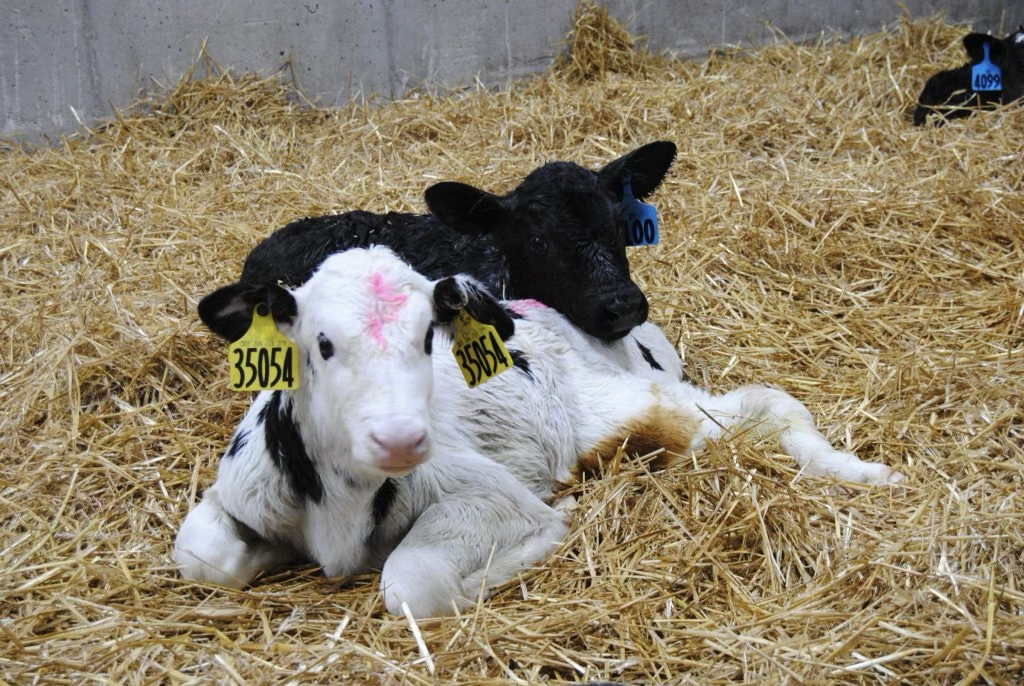
Winters can be different, so it is not necessary that there will be frosts all months, but there will definitely be a drop in temperature, and calves will feel it. Therefore, you need to take care of the conditions of their keeping and make them as safe and comfortable as possible.
Meeting the nutrient needs of calves
To provide calves with the necessary nutrients in winter, you can give them more milk, but you need to carefully control its content. The amount of fats and carbohydrates must be balanced to ensure that the calf receives the necessary amount of energy.
The best solution in such a situation is to consult a nutritionist. He or she will examine all the conditions, make an assessment and determine what the rate of feeding calves with milk or a product that will replace it should be. Depending on the weather conditions of the season, the specialist will correctly formulate a diet for the kids and give recommendations on its composition.
If conditions and circumstances allow, it is better to feed dairy calves three times a day. This will avoid stress for the body from a large amount of nutrients at the same time and ensure uniformity of their consumption.
Water supply
If the air in the room where the calf is kept is dry and cold, the calf can become dehydrated. This is one of the two most common causes of mortality in young animals (the other is malnutrition), as practice shows. Therefore, water intake is vital for calves. The amount of water they need per day varies from 4 to 8 liters per day, depending on their age.
Remember that calves need to be given warm water, not cold, so it must be heated beforehand. This is necessary so that the animal does not have to spend energy on heating it. It is best if the temperature is 38-39°C, and the minimum is 27°C. But if it is not possible to adhere to these limits, you can heat the water more and then wait until it cools down to the desired temperature. At the same time, it should not be allowed to freeze and turn into ice, because no one will give it to calves, which means they will not have water, which will negatively affect their health.
Protection against drafts
Dairy calves do not like drafts. How do you know if they feel them? It's very simple: if you feel a draft somewhere in the calves' house, it means that the youngsters feel it too. Such a breeze cools the calf's small body, so it has to spend energy again to warm up.
Depending on where the calves are kept in the winter, in their houses or in the barn, the conditions of care are determined. In the first case, you will need good bedding, which will create good conditions for rest.
And if the babies are transferred to the barn, you need to monitor the ventilation there. It is essential, because it prevents pathogenic macroorganisms from accumulating, as well as dust, ammonia and moisture, which negatively affect the health of calves and their development.
Hygiene.
If you still have doubts, we will tell you that straw is the best option for calf bedding for the winter. And all because of its thermal insulation properties. This material works better than any other, including sawdust. It is also very convenient to make a kind of «nest» in straw, which calves build for themselves when they are cold.
There is even a scale for assessing what kind of bedding should be used to make the calf comfortable. It is measured in points - from 1 to 3. For winter, the best option is a 3-point bedding, in which the calf lies down so that its limbs are no longer visible.
But even if you use a material other than straw for bedding, it is important that it is dry and clean, otherwise you cannot avoid the development of pathogens that cause diseases. You can also use a disinfectant, which will be more effective after removing the dirt, but be sure to read the instructions for it.
Clothing
Yes, it exists for calves as well. In particular, we are talking about jackets that are dry, clean and in the right size. They keep calves warm in winter. And if the animal is to be outside in such clothing, it must be waterproof.
Calf jackets should be washed if they are to be used for different animals. This will help to avoid pathogens that may remain after the previous animal.
What you should know about PanTerrea
PanTerrea is a virtual platform that brings together both ordinary farmers and big business representatives. It is a community where everyone can find support and get the advice they need when they face difficulties in their farming business, and can share their own experiences to help others.
If you have a problem, the PanTerrea platform will quickly find a solution, because you will no longer be alone with your difficulties. To become a member of the community and learn more, register on the website right now.
Conclusion.
Calves are delicate animals, so they need special care in winter to be healthy, energetic and productive in the future. Create a comfortable and safe environment for them, ensure that they replenish their energy reserves through a proper diet and access to water (but not cold water), protect them from drafts, and keep their bedding clean. Follow these recommendations and raise healthy and vigorous calves.
Цей текст має продовження
Приєднуйтесь до 5,000+ професіоналів, які вже досліджують майбутнє разом з PanTerrea