Blog
Five factors all great farms have in common

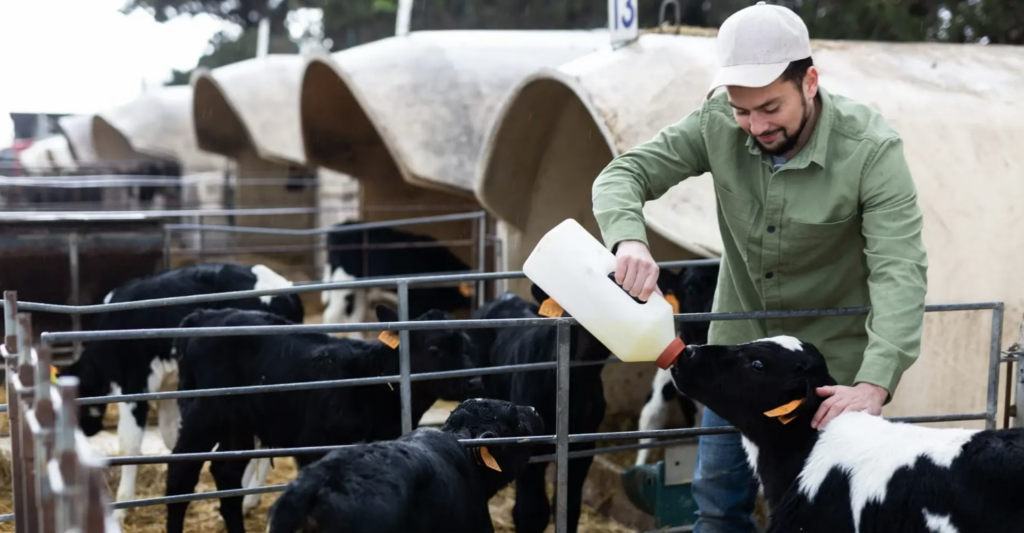
A modern farm is a farm or enterprise that combines time-honored traditions with the latest technology to achieve the desired result. Farms breed, raise and maintain cattle to milk and sell fresh milk, as well as make dairy products, including cheese, sour cream and more. The bigger the production, the wider the range of products can be.
There are many factors that affect the life of a farm and its productivity. And it's not just about the health of the animals and the amount of milk they produce, but also about the people who work on the farm and organize its work.
The success of a farm largely depends on the correctness and efficiency of management. And it also depends on whether people are able to cope with the problems that inevitably arise. Therefore, it is better to learn about how monitoring technology helps to predict problems in newborn cows in advance, for example, using a special resource for farmers called PanTerrea. The site has a lot of interesting and useful information, and most importantly, you can get support from colleagues who have more experience and are willing to share it.
What dairy farms do
Every farm, whether it is a huge industrial complex or a small family farm, has the same purpose and therefore performs the same functions. These include:
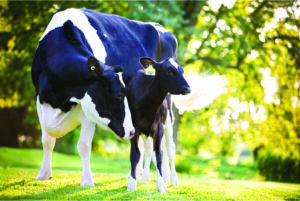
- Breeding and keeping livestock. A farm can house a different number of cows and calves, depending on the scale of production, but the conditions they live in must always be comfortable and safe. This affects their health and milk production, which is important for the farm because it directly affects its profits.
- Milk production. On farms, cows are milked, and usually milking machines are used for this purpose if there are a lot of cattle, or it is done manually if the farm is small and there are enough human resources for this work.
- Product storage. The farm must have conditions for storing milk, as well as for cooling it and preparing it for transportation for processing.
Not all farms work only to supply milk to large enterprises; there are also those that make cheese, yogurt, and other dairy products from it, which expands their arsenal of options and provides more opportunities for earning money.
What are the differences between different types of dairy farms?
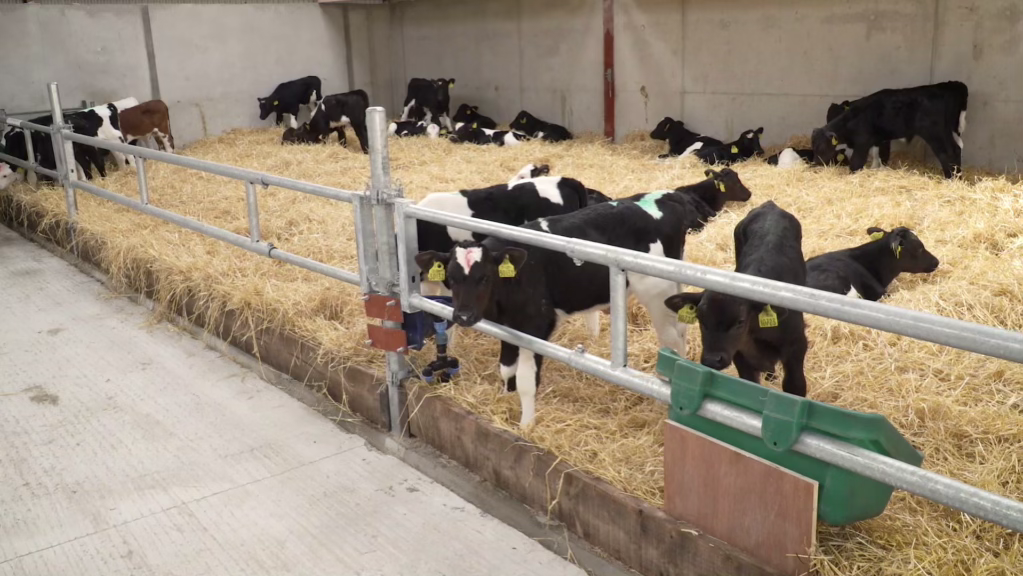
There are two broad groups of farms: family farms and industrial farms. The first category includes small farms, usually owned and managed by members of the same family, who are the ones who run the operation. There are few animals on such farms (usually 10-20 heads), while industrial enterprises keep a huge number of cows and have automated systems for milking and more.
Such farms differ in their scale and the number of livestock and staff they keep. But regardless of the size of the enterprise and the volume of products it produces, every farm is important for agriculture, as it supplies raw materials for the dairy processing industry and creates jobs for people.
Of course, each farm has its own peculiarities and differences, but if you look at those examples that are considered the best examples of dairy farms, they have something in common. This will be discussed further.
5 factors that all great farms have in common
The farm manager plays a big role in how successful the farm will be. If he is a professional, he understands that when problems arise, the cause must be sought in the area where he could have made a mistake, and then he must think about how to fix it.
But in addition to good management, there are 5 other factors common to all good farms:
- Regular communication with consultants. A consultant is a person who has knowledge and an objective view of the situation. His task is not to tell the manager something new about what is happening on the farm, but to show which processes or phenomena have for some reason become the norm, although in fact they hinder and harm the farm's work. Another task of the consultant is to offer the farm manager effective solutions to the problem. That's why successful farms even have several consultants, each of whom specializes in one thing: feeding, animal health, etc. You need to choose those consultants who are trusted, and when they give their recommendations on a particular situation, they should be followed by all farm employees.
- Work according to protocols. Practice shows that successful farms have prescribed protocols for every action that needs to be performed, from milking cows to euthanizing sick animals. These protocols are drawn up by managers and consultants, and each document is designed for a specific area of the farm. Protocols are needed to ensure that people treat animals properly and know exactly what and how to do in their area of responsibility. That is why employees of good farms have free access to the protocols, and they are also part of the training materials that employees must follow.
- Thoughtful training programs. Good and well-written protocols are great, but if staff are not trained to use them, they will not have a positive impact. On great farms, managers understand that staff need to be aware of protocols, so they invest in providing comprehensive training for people who work with the herd. This is a smart investment in the future of the farm and its productive work.
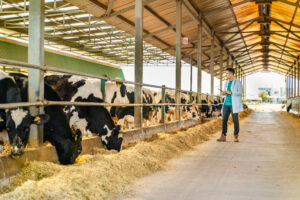
- Quality feeding. The productivity of a cow that produces milk directly depends on how it is fed. In addition, the specifics of the diet differ depending on the age of the animal, the stage of its development and lactation. That's why good farms take all these nuances into account and make up the cows' diet so that they get everything they need at every stage of life. Attention is paid to the quality of the feed and to ensuring that it is always available to the animals when they approach the feeding tables. Because feeding is properly organized on excellent farms, animals get less sick, and there is almost no need to use antibiotics in the dairy herd.
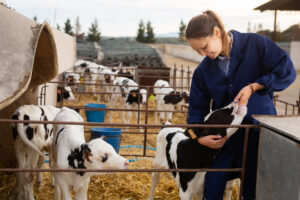
- Animal comfort. On all good farms, cows live like in paradise because they are provided with ideal conditions where they are cozy, comfortable and safe. Animals are kept in clean rooms with good ventilation, their bedding is regularly cleaned and replenished, feed alleys are cleaned, and watering troughs are cleaned. We also take into account the peculiarities of animal housing. For example, cows in the first lactation are not housed with older cows until the end of this period, and each animal has plenty of space to rest.
A farm becomes successful not by installing the latest equipment or selecting special animals, but by proper farm management, quality cow care, a nutritious diet, and trained staff who know the protocols and follow them.
How PanTerrea assists farmers in their business
The PanTerrea online platform is a community of farmers where there is an atmosphere of trust and friendship. It was created for this very purpose, so people who are engaged in the same business can communicate with each other, share experiences and quickly get answers to pressing questions.
To become a member of this community, register on the platform. You will be able to communicate, ask questions, share your experiences with others, and receive support. PanTerrea is your place of strength in the midst of the stormy sea of daily problems and challenges that farmers face. Here you will never be alone with difficulties, because there is a community of helpers nearby.
Conclusion.
Great farms have several factors in common. In particular, they actively use the services of consultants and follow their recommendations, develop protocols and train staff to understand them. In addition, these farms have ideal conditions for comfortable animal welfare and properly organized feeding. The managers of great farms know that cows will be healthy and productive if they live in clean and comfortable conditions and receive plenty of balanced food, so they create just such conditions for them.
Цей текст має продовження
Приєднуйтесь до 5,000+ професіоналів, які вже досліджують майбутнє разом з PanTerrea