Blog
Habits of healthy calves

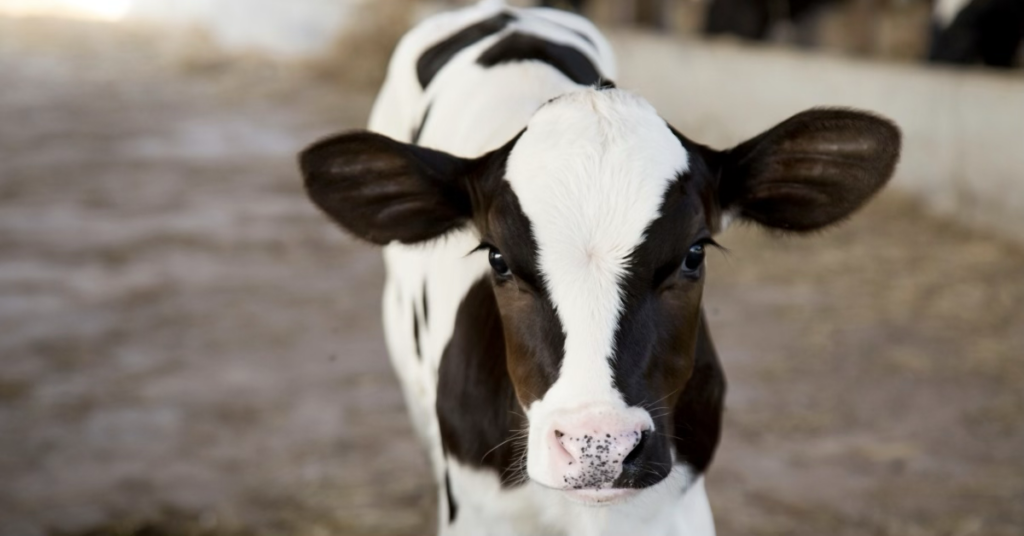
The proper development of calves born on dairy farms and their protection from various diseases is the responsibility of the people who care for them. Healthy calves develop certain feeding habits and more if everything is properly organized.
In particular, it is important to ensure that colostrum is fed on time, calves always have access to fresh water, and that their housing conditions are comfortable and safe. Farmers need to closely monitor the diet of young animals, as calves' bodies are not yet adapted to the conditions of the outside world and require careful treatment.
The first six months of a calf's life are called the dairy period, and this is an extremely important period of animal development, as the productive qualities of the future adult cow are laid down at this stage. That's why it's so important to create conditions during this period to ensure that the calf is healthy and strong and can smoothly and easily switch from a dairy diet to plant-based feed.
And while the calves are growing up, it is worth finding out in advance what health problems dairy cows have in order to avoid them or at least be well prepared. You can learn about this and much more from experienced farmers who are ready to share their knowledge by registering on the PanTerrea online platform. This is a convenient place to get help and find answers to your questions.
How it all starts
Until the calf is 6 months old, it goes through the milk period, which is divided into two stages: the colostrum and the milk period. The first lasts 7 days from the moment the animal is born, and the second lasts up to 5-6 months.
During the first four months of a calf's life, it develops immunity. This process is slow, and only at 15 months of age does the animal have fully formed natural immunity. However, the most important moment for its formation is the milking period.
A cow that has just calved produces colostrum, which is much higher than usual in specific proteins, fat, minerals and vitamins that the calf needs to survive and grow stronger. Farmers need to be aware of this, as well as what to do on the first day after the calf is born. Namely:
- Launch the calf's immune system. For this purpose, it is necessary to give it colostrum during the first two hours of life, having previously checked its quality and the concentration of antibodies that protect the body (their index should be from 22). For the second and third feedings, you also need to stock up on colostrum (its temperature should be from +36°C to +38°C). And to ensure that the calf drinks in small sips (it is important for the product to enter the intestines and rennet, where it will be digested), you need to use the right drinking bowl - in the form of a nipple with a small hole.
- Give the mother the opportunity to lick the calf. This is important for both the baby and the cow. The mother's saliva contains the antibacterial enzyme lysozyme, which protects the calf's skin, and the massage effect of licking helps to improve blood circulation and ventilation of the calf's lungs. If the cow refuses to lick, a person should wipe the calf and then massage it with straw, moving in the direction of hair growth. This will stimulate breathing and blood circulation. And then the calf should be placed in a warm cage where it will be comfortable and cozy.
- Treat the navel. This is an important step to protect the newborn from bacteria that can enter the body through the navel and cause illness. Within an hour after birth, the navel area should be treated with a disinfectant.
Particular attention should be paid to collecting colostrum. It is important that it is free of bacteria that interfere with the absorption of antibodies. To get a pure product, check that the cow does not have mastitis, and all the equipment you use to collect colostrum and feed it to the calf should be thoroughly washed in hot water and disinfected with specially designed products.
For storage in the freezer or refrigerator, colostrum should be cooled quickly by using cold water or an ice bath. To defrost the colostrum for feeding, heat it in water at a temperature between 52-60°C. As soon as the colostrum warms up to 39°C, give it to the baby immediately so that it does not have time to cool down again.
What you need to know about feeding calves
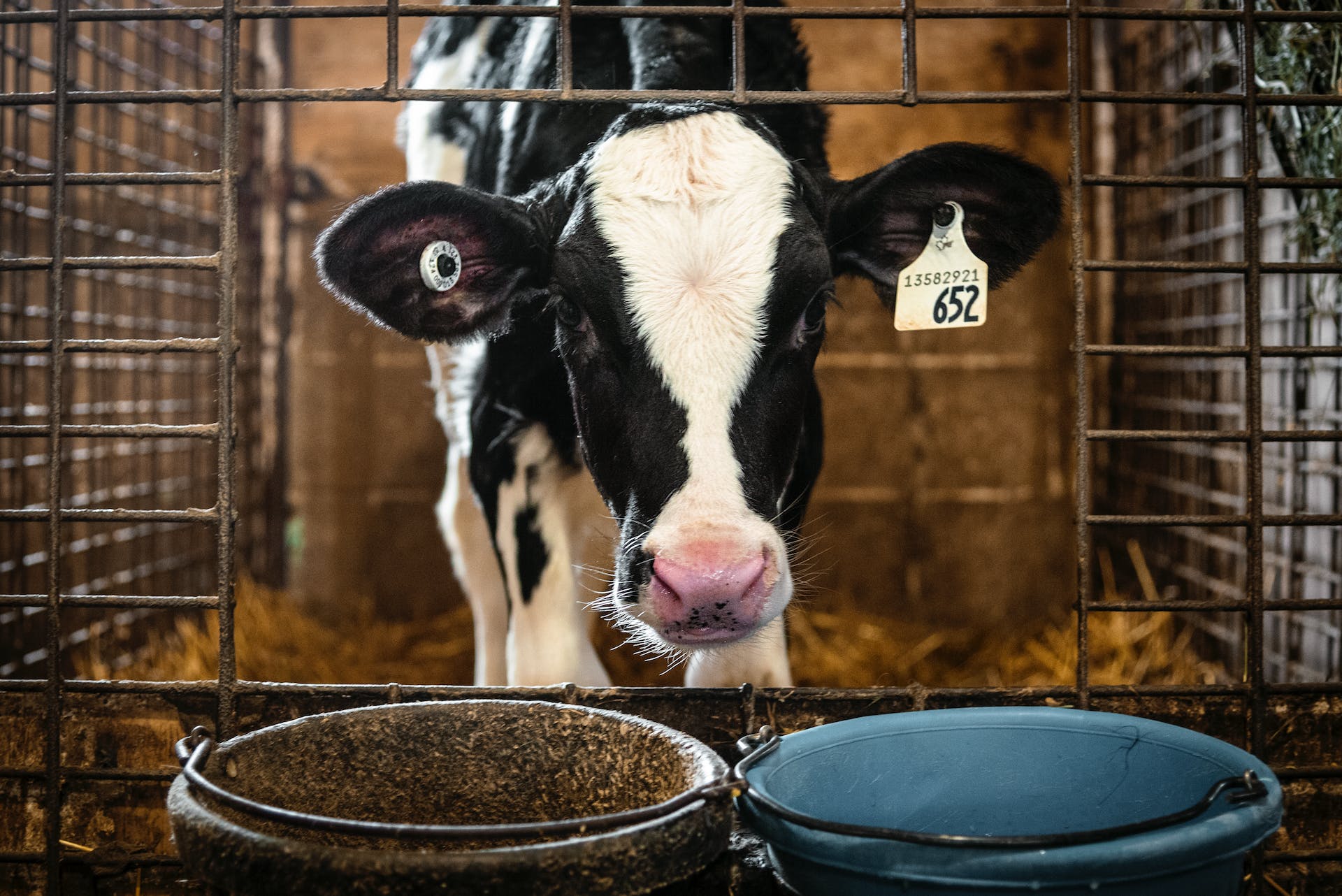
Proper feeding is one of the habits of healthy calves. And since it's organized by people on the farm, you need to understand what to do, when to do it, and how to do it. In particular, you should follow these recommendations:
- the amount of whole milk or its substitute, which contains 26% of protein, should be 14-18% of the animal's body weight (6-10 liters) per day, and it should be given during the first 50 days of the calf's life or longer;
- feeding should take place twice a day, or even better, three times a day;
- Starting from the third day of life, the animal should have free access to water and fresh starter feed containing 22-24% protein.
In order to avoid diseases and digestive disorders in calves, feeding should be done according to a clear schedule. If there are two meals a day, the interval between them should be 12 hours, and the feedings themselves should always be at the same time. The amount of food should also be the same each time, and its temperature should be 38-40°C. By the age of 6 months, the main diet of calves should already be vegetable feed, to which they begin to be accustomed gradually.
Important things about the organization of space and conditions of detention
For good health and proper development, calves need to grow up in good conditions. For this purpose, farm workers should make efforts to organize them. To ensure that the conditions for keeping young animals are comfortable and safe, the following points must be taken care of:
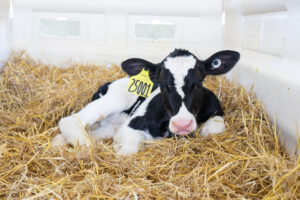
- The bedding should always be clean;
- for the cold season, the bedding should be deep so that the animal can keep warm, and for the summer it is better to use earth or sand, which will be less hot for calves;
- Good ventilation is essential, so it is necessary to make sure that there is a free flow of air in the place where the calves are kept;
- If you need to keep calves warm, you should use special jackets for them;
- The room in which the calves are kept should be cleaned and disinfected regularly, as well as the carts in which they are transported.
It is important to monitor the condition of the bedding - it must be dry and clean. Therefore, it must be changed as often as necessary to ensure that the calf is comfortable and does not pose any threats to its health.
The walls of the room where calves are kept should be whitewashed or well washed. As for ventilation, it is important to make the air flow so that there is no draft, because calves are very sensitive to it and are prone to respiratory diseases.
Calves can be raised in groups or individually. In the first case, the animals are in a common room and have more space for activity and interaction with each other. And in the case of individual rearing, each animal has a separate house where its own microenvironment is created. For caretakers, this option is more convenient, as it allows them to examine calves and identify sick ones. And to make each animal under the age of two months feel comfortable, it should be allocated at least 2.8 square meters of space with bedding.
Where farmers can find answers to questions about keeping calves
It's simple - visit the PanTerrea website, register and find useful information about calf care and more. This is a platform that brings together farmers, experts and other people involved in the cultivation and maintenance of cattle.
PanTerrea is a place where you can find answers to your questions and get support from other farmers. Thanks to the platform, you will become part of a large community and know that you have someone to turn to in a difficult situation.
Conclusion.
For calves to grow up healthy and become productive adult cows, they need to be provided with proper and comfortable housing conditions and a nutritious diet from birth. This is especially important in the first six months, when immunity and the basis for the rest of their lives are being laid.
Timely and proper feeding, maintaining clean bedding and general hygiene of the premises, and arranging warm housing during the cold season all contribute to healthy habits of calves and promote their healthy development.
Цей текст має продовження
Приєднуйтесь до 5,000+ професіоналів, які вже досліджують майбутнє разом з PanTerrea