The duration of remiliation in cows is also reduced in the first days after dryness and can last up to a week. During this period, the animals experience stress because milk accumulates and begins to put pressure on the udder, and at the same time, changes occur in the diet, to which the cattle's body immediately reacts. But once the animal gets used to it, its physiological process of chewing the cud returns to normal.
If the duration of a cow's remission is constantly changing, this may indicate a risk of developing infectious or metabolic diseases in early lactation. Although monitoring is effective in identifying potential threats before calving, it does not leave time to take preventive measures. But the situation is different with dry cows at the beginning of lactation - monitoring not only predicts diseases, but also allows you to intervene in time to prevent their development.
Monitoring and detection of lameness
In Michigan, a study was conducted that showed that blinking time can indicate the presence of lameness in cows. During the study, researchers compared the duration of chewing gum during dry periods by cows with health problems and completely healthy animals at the beginning of the lactation period. The study showed that animals with lameness remigrated less time than healthy animals.
It is important that in the first three days of dryness, the chewing time of the chewing gum was significantly reduced in those cows that developed lameness in the first 60 days after calving. Compared to healthy animals, the sick animals remigrated 24 minutes less.
Before lactation, lameness is difficult to detect because it has no obvious manifestations, and it is also impossible if the cow is not in the milking parlor. Nevertheless, the reasons for the reduction in the period of chewing the cow's chewing gum may be lesions that have not yet reached a serious form, so they have not had time to cause noticeable changes in her gait. This means that even before clinical signs of lameness appear, monitoring allows you to track the time of remission at the beginning of dryness and identify animals that could potentially develop this disease.
Heat stress in cows
The air temperature affects the physical condition of cows, so it can be difficult for them in hot weather, especially during the pregnancy period. Overheating is harmful to both the cow and the unborn calf.
The negative impact of heat stress is manifested by the following phenomena:
- milk production decreases;
- colostrum production decreases;
- the risk of developing metabolic diseases increases.
Due to heat stress, a cow may eat less feed, which can cause her to receive insufficient nutrients and lose weight, which can lead to fetal development disorders in late pregnancy.
Thanks to the monitoring technology, it is possible to detect signs of overheating in an animal in time, which are manifested in its behavior. For example, a cow starts to breathe heavily. In this way, heat stress can be detected both in specific individuals and at the level of the entire farm. And knowing about the situation, there is a chance to fix it in time - to install fans, sprinklers or special structures that will create more shade to make it easier for the animals.
Detecting signs of ketosis
Due to the rapid loss of fat reserves in the first period after calving, the level of ketone bodies in the blood increases, which leads to hyperketonemia, also called ketosis. It can be subclinical or clinical. In the first case, there are no visible signs of the disease, but cows in transition are at risk of developing many diseases, including metritis, placental retention, clinical ketosis, and more.
The study showed that in those cows that began to develop ketosis after calving, the duration of chewing the chewing gum gradually decreased, and 5-6 days before the onset of dryness, this became most noticeable. In general, they remigrated significantly less time than animals without diseases. Experts also observed multiparous animals: those that were considered healthy chewed chewing gum longer than those with hyperketonemia. And cows with ketosis and one or more additional diseases spent even less time on reminiscence during the day.
Differences in chewing time between healthy and diseased multiparous cows were most noticeable 7 days before calving and then within one to two weeks after. This means that the transition period is important for detecting potential and existing diseases. Close and constant observation of the remission period through monitoring technology helps to notice changes that indicate health problems in time.
Features of monitoring technology and benefits of its implementation
Cows and calves on farms are healthier when the dry period goes smoothly and without physical disorders. Therefore, using the capabilities of monitoring technology during the dry period, milk producers can react in time and do everything possible to improve the health of their animals. This allows both to improve lactation performance and to work for the future to ensure that cows and calves feel well in the future.
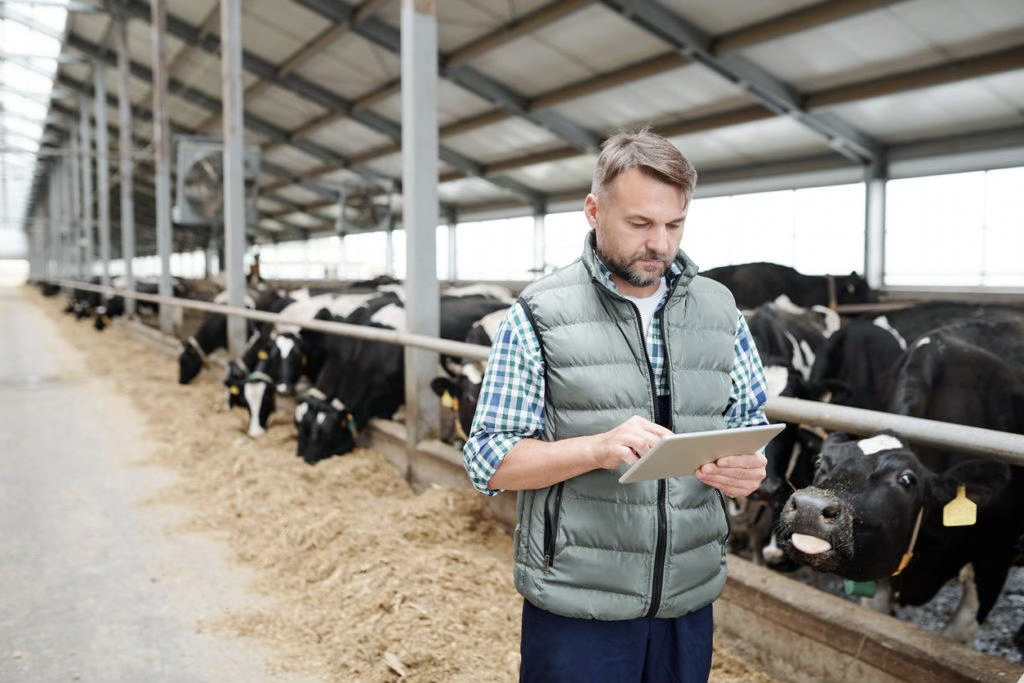
The technology involves the use of special systems that monitor the behavior of animals during transitional periods and in dry season. They record data that then helps farmers to pay attention to cows with potential problems in time and make the right decisions about prevention or treatment.
How the PanTerrea platform is convenient for farmers
Using the PanTerrea platform provides many opportunities for farmers and farm owners. In particular, it helps:
- quickly find answers to questions about cow health, feeding, treatment, and care;
- share experiences and communicate with other farmers;
- receive support from the community;
- establish new useful contacts;
- find suppliers or business partners.
Running a farm involves daily challenges - small or large - but with PanTerrea, they're easier to handle. Register on the platform and become a part of the farming community that provides advice, help and support.
Conclusion.
Monitoring technology is a convenient and effective tool for farmers. It helps to collect data on the health status of cows during dry periods and transitional stages and to learn about diseases before clinical manifestations appear in order to make the right management decisions about their treatment, preventive measures, etc.