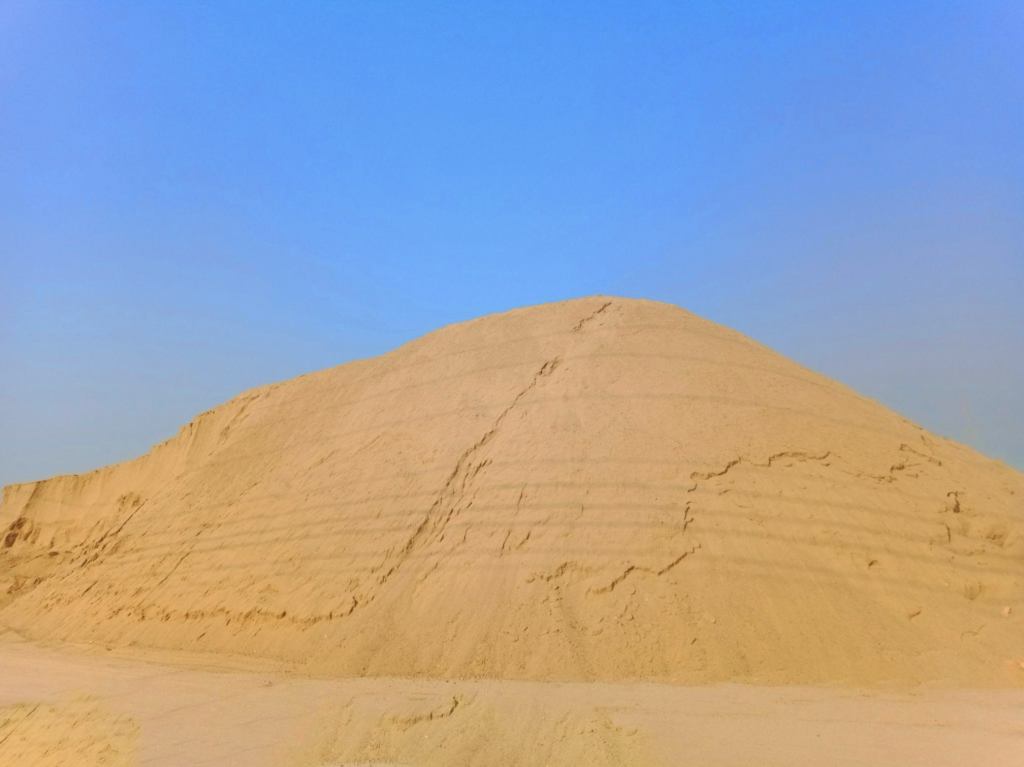
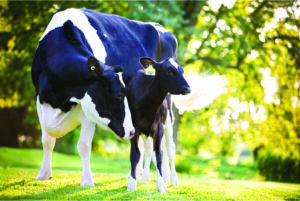
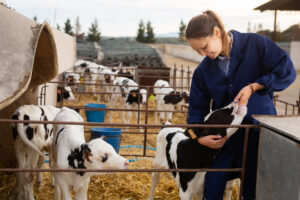
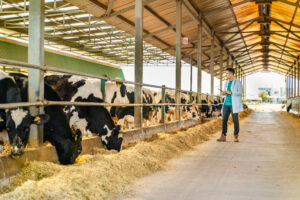
Many farmers have been using reclaimed sand for bedding for a long time, but there are still myths about it that people believe. For example, some people are convinced that such sand cannot be of sufficiently high quality and clean, while others think that it is dangerous for cows because it will breed bacteria that cause mastitis.
Such prejudices have emerged because recycled sand has a slightly different appearance than new sand. But in fact, this does not say anything about its quality and purity. The only thing that matters is the correctness of sand processing. The product regenerated by the technology is even better than the new one and allows you to create perfectly comfortable bedding for animals.
It's time to bust the most persistent myths about recycled sand used on dairy farms:
- Myth: cows cannot be comfortable if the bedding is made of recycled sand.
The truth is that sand that has been properly processed has the same composition and shape as new sand, so animals do not feel discomfort with it. In fact, it's not the novelty of the material that matters, but its purity and grain size. Those in doubt should know that during the processing, all coarse particles and excess fractions are removed from the sand, so it is in no way inferior to the new one in terms of comfort.
- Myth: Recycled sand has more bacteria than fresh sand.
Reality: According to research, regenerated sand that is properly processed produces the same amount of bacteria as new sand. It was used to fill stalls and study the changes that occurred in it over the course of a week. As a result, it was concluded that the number of bacteria in recycled and fresh sand does not differ significantly.
- Myth: regenerated sand is wetter and contains organic materials.
Truth: It is believed that the optimal level of litter moisture is 4-5%, and recycled sand (with the right processing technology) falls within this range. In addition, organic materials are removed from it, so litter made from such sand may contain less organic matter than fresh sand.
As you can see, myths are easily dispelled if you know what sand processing involves and what results it produces.
Economic benefits of using regenerated sand on farms
This factor is extremely important, as it allows dairy farms and households to significantly reduce annual losses. If you constantly buy new sand in large quantities, it is quite expensive, and the cost of transportation is added to this. Whereas sand recycling systems allow you to recover up to 90% of sand from manure. Usually, only up to 10% of product is lost when the particles are too small and can no longer be recovered. Moreover, experts are working to reduce this percentage even further.
All of this means that the same sand can be used for stalls many times, sometimes replacing only a small amount with new sand. The use of recycled bedding reduces costs and allows you to create comfortable conditions for cows, thereby maintaining their health at the right level.
What you need to know about bedding sand
Some may believe that new sand is always the best option for creating animal bedding on a farm, but it also has disadvantages that are worth knowing about. For example, it's a mistake to assume that fresh sand is always in perfect condition, as its quality, including particle size and organic matter, depends on where the product comes from.
To understand the quality of the new sand, you need to conduct research and check it for moisture, particle composition, and organic content. It may contain clay, silt and other residues.
High-quality sand, whether new or recycled, should be loose and dry, so the amount of gravel or silt in it should be minimal. In addition, its drainage and cushioning are important indicators, which determine the comfort of the created bedding.
The main differences between new and recycled sand
When it comes to fresh sand, the following are among its features that should be taken into account:
- The quality of the sand depends on the source from which it was taken, so it will not always be as perfect as you want it to be;
- It is more expensive because it costs more and requires delivery costs;
- It may contain silt or clay;
- deliveries depend on the supplier, so it is the supplier who is responsible for their quality.
As for the regenerated sand, it differs from the new one in the following characteristics:
- its quality is always stable, but only if it is processed correctly;
- It requires less money because it costs less, and you only need to buy a large batch once, after which you only need to pay for the processing procedure;
- Organic matter is removed during processing, so there is no organic matter in the sand at all, and if there is, it is in minimal amounts (no more than in fresh sand);
- The quality of supplies is controlled on the farm, so it does not depend on anyone else.
The moisture level is the same for both types of sand and is in the range of 4-5%, which is considered optimal. But regardless of which one is used, it is important that the cows' bedding is deep and clean, or they feel comfortable during rest and are protected from bacteria.
Why you should contact PanTerrea experts
It will be easier to find colleagues, like-minded people, assistants and farming specialists if you register on the PanTerrea platform, where they are already gathered. This is a community where you will receive support in different situations and answers to questions that are bound to arise for those who are engaged in farming.
Here you can find partners for the stable development of your business and suppliers who will provide you with quality products. All you need to do is register on the site and start using its features. We are always here to help you face your daily challenges.
Conclusion.
Modern sand processing systems can significantly extend the life of the sand by removing excess sand over and over again. For dairy farms, this is a great opportunity to reduce the cost of purchasing sand bedding materials for cows without lowering the bar for quality.
The use of recycled sand reduces the environmental footprint and helps to increase farm efficiency and profitability. Now is a good time to start using recycled sand for bedding and increase the productivity of dairy farms.